What Is a Fantasy AI Image Generator?
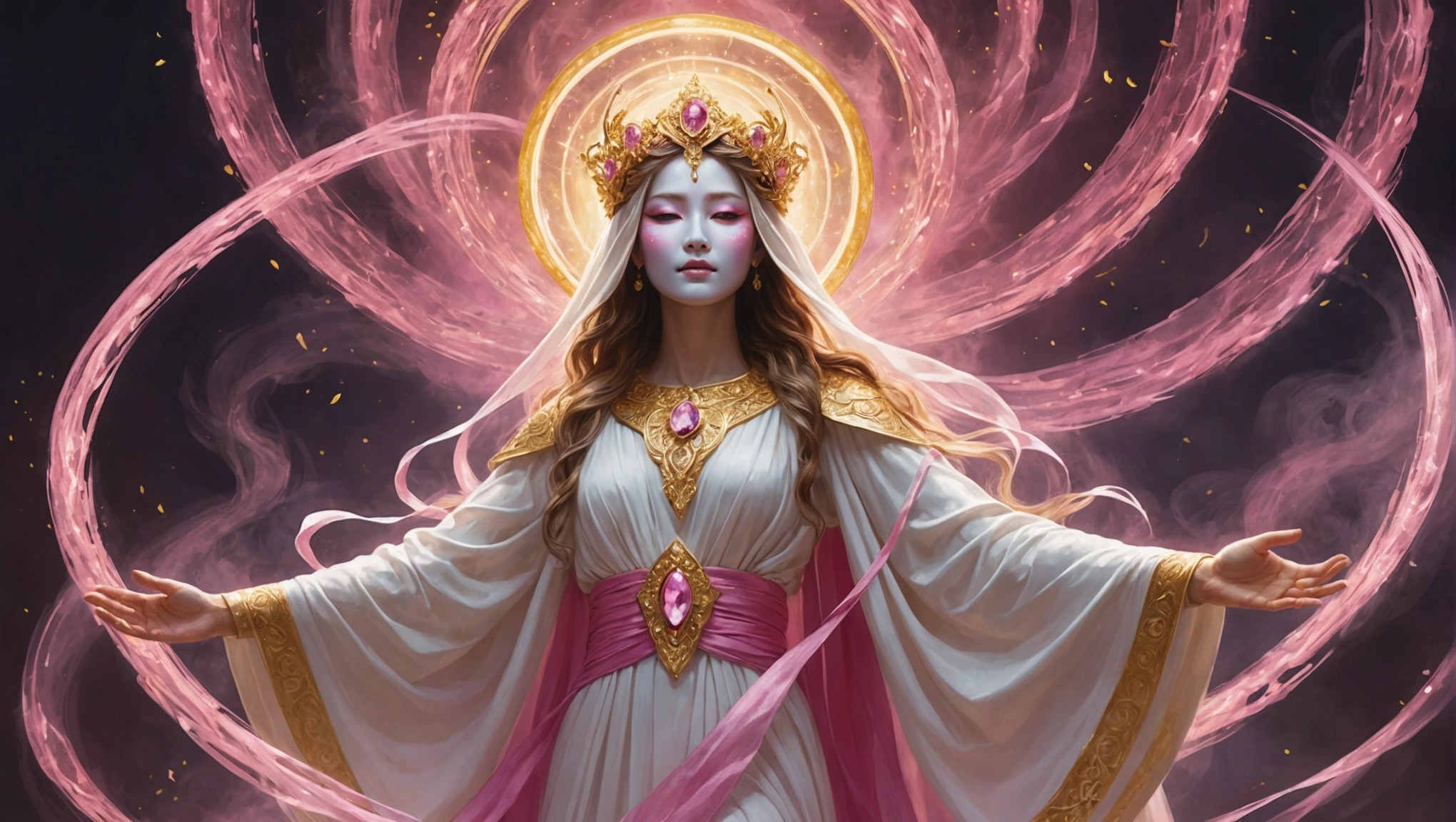
A fantasy AI image generator is a tool that transforms written descriptions into imaginative visuals such as mythical characters, enchanted landscapes, and epic fantasy scenes. By combining machine learning with artistic training data, these tools allow creators to visualize ideas that would otherwise require advanced illustration skills.
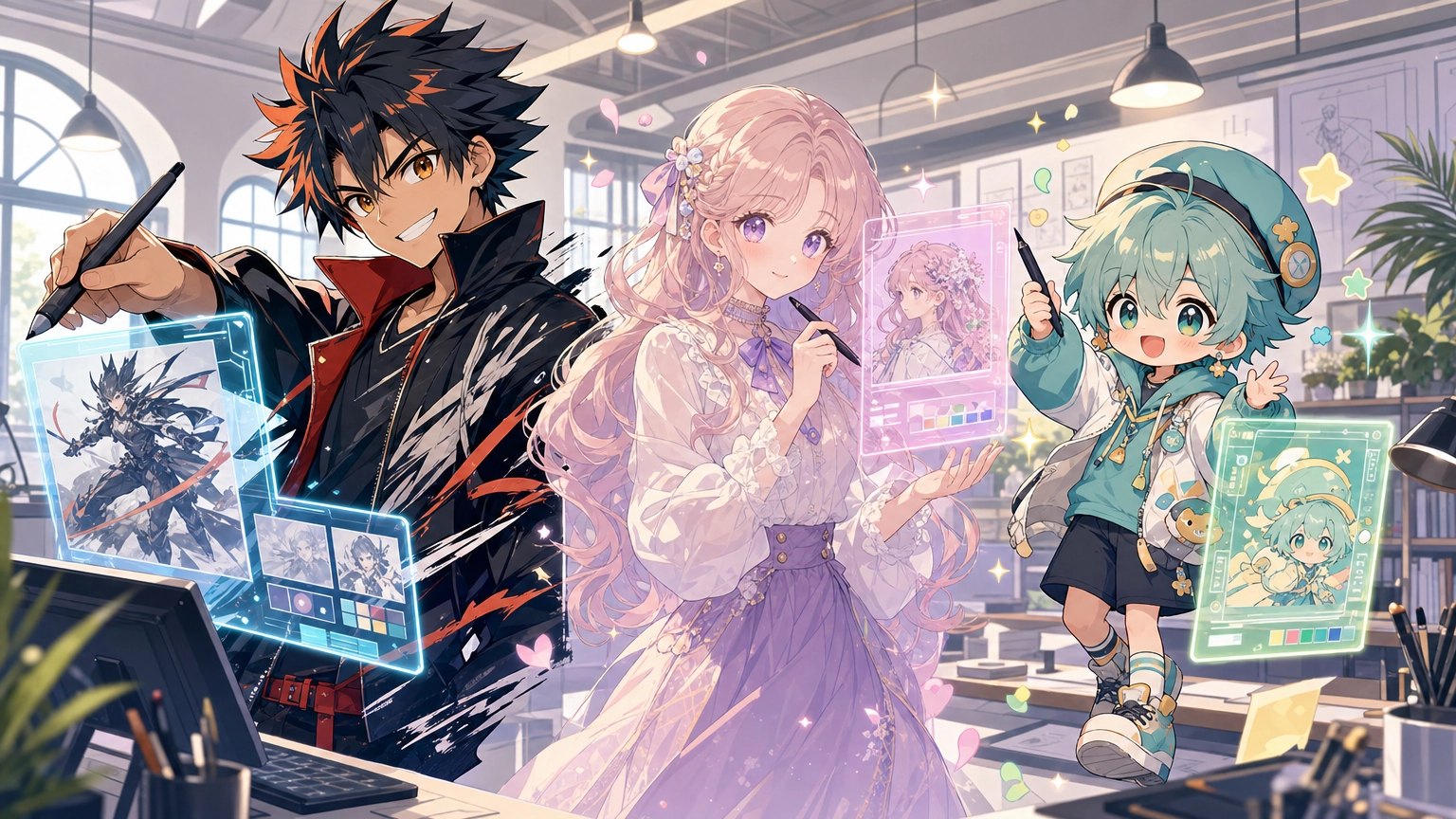
Fantasy AI generators are used by writers, game designers, artists, and hobbyists to bring fictional worlds to life—whether for storytelling, concept art, worldbuilding, or creative exploration.
This guide explains how fantasy AI image generators work, what features matter most, and how creators use them effectively—without ranking or comparing specific tools.
How Does a Fantasy AI Image Generator Work?
Fantasy AI image generators are trained on large collections of images and text descriptions. Through this training, the model learns how visual elements—such as lighting, anatomy, color, and style—relate to words.
When you enter a prompt like “an ancient wizard in a ruined tower at dusk”, the AI interprets the language and generates an original image based on learned patterns. Rather than copying existing artwork, it synthesizes new visuals that match your description.
The more specific the prompt, the more closely the output aligns with your vision.
Text-to-Image Generation Basics
Text-to-image generation starts with a prompt—a written description of what you want to see. Prompts can be short and simple, or highly detailed.
For example:
-
Simple: “fantasy dragon”
-
Detailed: “a massive emerald dragon perched on a cliff at sunrise, cinematic lighting, high fantasy illustration”
Including details about setting, mood, lighting, and art style helps guide the AI toward more consistent and intentional results.
What Features Matter Most in Fantasy AI Generation?
While capabilities vary between platforms, several core features shape the fantasy art creation experience.
Prompt Control
The ability to precisely describe characters, environments, and styles is essential for fantasy art. Strong prompt interpretation helps ensure the AI follows creative intent rather than producing generic imagery.
Image-to-Image Generation
Image-to-image workflows allow creators to upload a reference image and generate variations while preserving facial structure, composition, or overall style. This is especially useful for character consistency.
Style Flexibility
Fantasy art spans many aesthetics—from painterly illustrations to dark fantasy and anime-inspired visuals. Tools that support multiple styles or models give creators more freedom to experiment.
Custom Model Training
For long-term projects, custom model training enables creators to teach the AI a specific character, art style, or visual identity. This dramatically improves consistency across multiple images.
How Creators Use Fantasy AI Image Generators
Fantasy AI generators support a wide range of creative workflows.
Character Design
Writers and game designers use AI to visualize protagonists, NPCs, and creatures. Consistent prompts or trained models help maintain recognizable features across scenes.
Worldbuilding and Environments
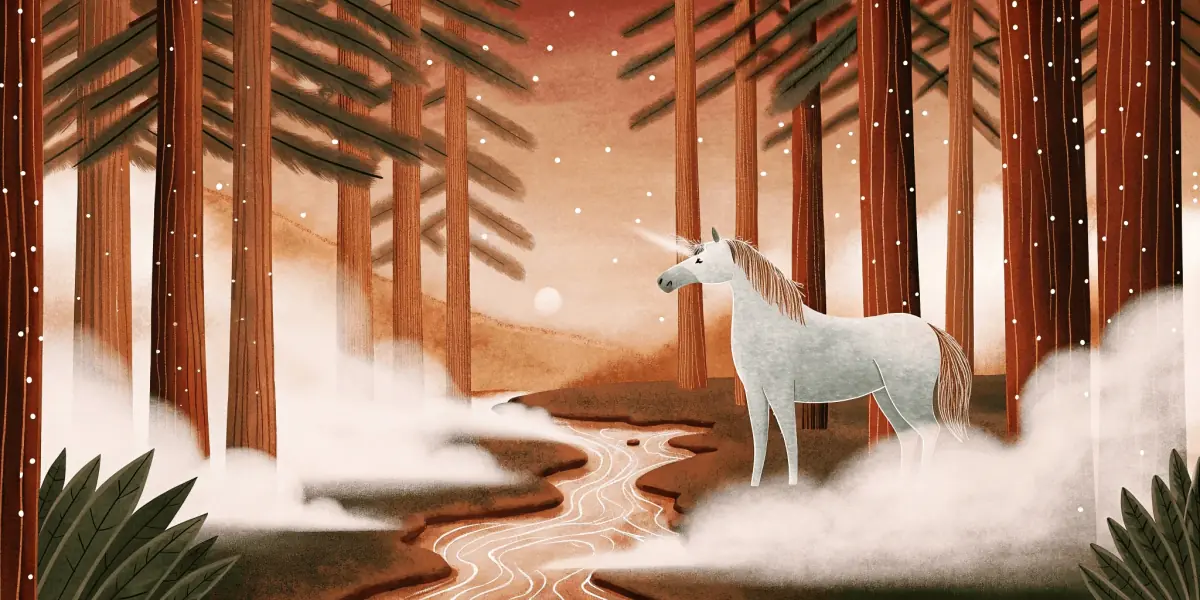
From floating cities to ancient ruins, AI tools help creators explore visual ideas for fictional worlds before committing to final designs.
Concept Art and Inspiration
Artists often use AI generation as a brainstorming tool—testing compositions, lighting, or color palettes before refining concepts manually.
Content Creation
Fantasy visuals are frequently used for social media, storytelling platforms, marketing assets, and digital publications.
Improving Results Through Iteration
AI-generated fantasy art improves with experimentation. Most creators follow an iterative process:
-
Start with a clear base prompt
-
Generate multiple variations
-
Adjust wording, style, or composition
-
Use reference images or seeds for consistency
-
Saving prompts and refining them over time helps build repeatable workflows and stronger results.
Using Custom Model Training for Consistency
For creators who need the same character or visual style across many images, custom model training is the most reliable solution.
Instead of reinterpreting a description each time, the AI learns your character as a concept. This makes it possible to generate new scenes while preserving facial structure, proportions, and overall style.
Some platforms support this workflow through dedicated training tools. For example, Forge allows creators to upload a small set of reference images and train a custom model tied to a unique trigger word. Once trained, that trigger can be reused in prompts to generate consistent results across different poses, environments, and lighting conditions.
Custom model training is especially useful for:
-
Story-driven projects and illustrated series
-
Game assets and NPC design
-
Reusable character libraries
-
Branded or long-term fantasy worlds
By teaching the AI what should stay the same, creators can focus on exploring new scenes and ideas without constantly correcting visual inconsistencies.
Looking for a Tool Comparison?
This article focuses on explaining how fantasy AI image generators work and how creators use them.
If your goal is to compare platforms, pricing models, or features, you’ll want a dedicated comparison guide.
To see a breakdown of the best fantasy AI image generators available today, visit our full comparison of fantasy AI image tools.
Frequently Asked Questions
I'm a complete beginner. Which generator should I try first?
Start with an intuitive platform like Fiddl.art. It’s designed for easy experimentation, letting you create quickly without technical knowledge.
What does 'train a custom model' mean, and why would I do it?
Training a custom model teaches the AI your specific style or subject using reference images. It’s useful for creating consistent characters or developing a unique aesthetic.
Can I use my AI fantasy art for business or social media?
Free plans are usually for personal use. Commercial rights typically require a paid subscription—always check the platform’s terms of service.
My images don't match my vision. What am I doing wrong?
The most common mistake is vague prompts. Add details about mood, lighting, style, and composition for better results.
How do I make a character look the same in different images?
Use custom model training. Teach the AI your character with a few reference images, then prompt it in various settings for consistency.
Final takeaway
Fantasy AI image generators give creators a powerful way to visualize imaginary worlds, characters, and stories. By understanding how the technology works and using it intentionally, you can move beyond experimentation and build consistent, compelling fantasy visuals.